How to Choose the Right Medical Protective Wall Panel Supplier in China
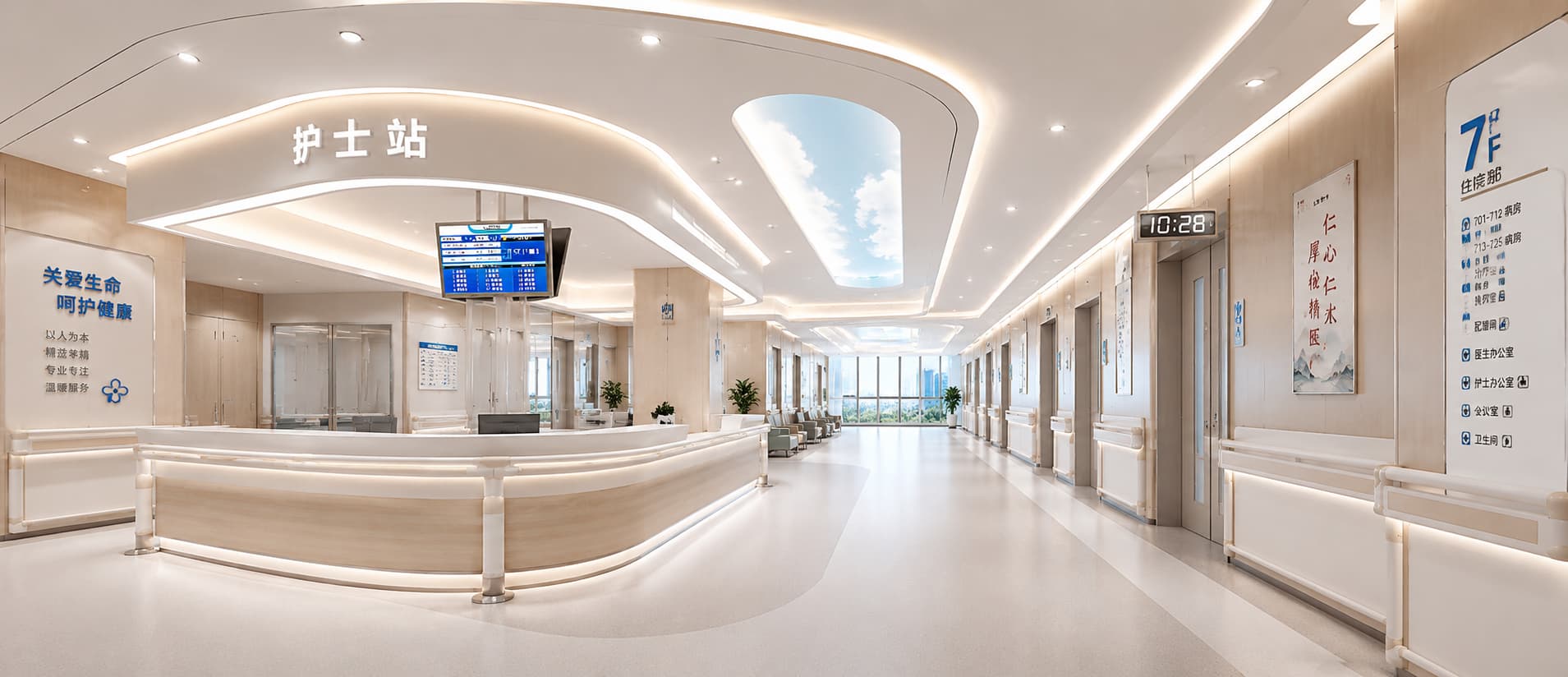
Medical facilities have very different wall protection requirements from ordinary commercial buildings.
Hospitals, clinics, laboratories, nursing homes, and healthcare facilities need wall surfaces that can withstand impact, frequent cleaning, equipment movement, and demanding daily use.
For international buyers, choosing the right medical protective wall panel supplier in China requires more than comparing prices and product appearance.
Here are the key factors to consider.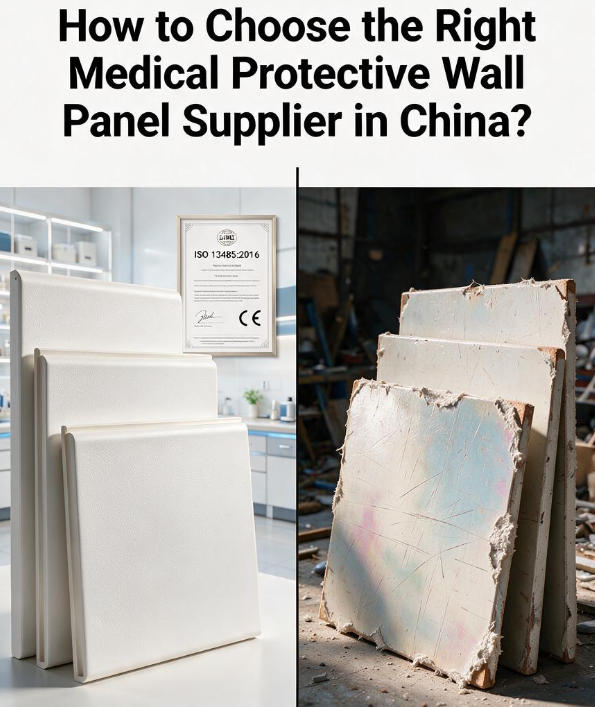
1. Understand the Application Environment
The first step is to determine where the wall panels will be used.
Different areas may have different requirements, including:
-
Hospital corridors
-
Patient rooms
-
Emergency departments
-
Operating areas
-
Laboratories
-
Nursing homes
-
Rehabilitation centers
-
Clean areas
-
Service corridors
For example, a corridor used by hospital beds and medical carts may require stronger impact protection than a low-traffic area.
The supplier should be able to recommend an appropriate product based on the actual application.
2. Evaluate Impact Resistance
One of the primary functions of medical wall protection panels is to protect walls from repeated impacts.
Hospital beds, wheelchairs, stretchers, medical carts, and equipment can frequently come into contact with walls.
Ask the manufacturer about:
-
Impact resistance
-
Panel thickness
-
Structural design
-
Surface durability
-
Edge protection
-
Corner protection
If possible, request relevant test data for the specific product model.
3. Check Cleaning and Chemical Resistance
Medical environments require frequent cleaning and disinfection.
Therefore, wall panels need to maintain their appearance and physical properties after repeated exposure to appropriate cleaning agents.
Ask the supplier:
-
Which cleaning agents can be used?
-
Has the product been tested for chemical resistance?
-
How should the surface be cleaned?
-
Is the surface resistant to staining?
-
How should damaged panels be repaired or replaced?
Clear maintenance instructions can help facility operators reduce long-term maintenance problems.
4. Consider Hygiene and Surface Design
Wall protection products used in healthcare environments should be designed with cleaning and maintenance in mind.
Pay attention to:
-
Surface smoothness
-
Joint design
-
Edge treatment
-
Corner details
-
Dirt accumulation points
-
Compatibility with cleaning procedures
For large hospital projects, a well-designed wall protection system can help create a more consistent and easier-to-maintain interior environment.
5. Look at the Complete Protection System
Medical wall protection is rarely limited to flat wall panels.
Depending on the project, buyers may also need:
-
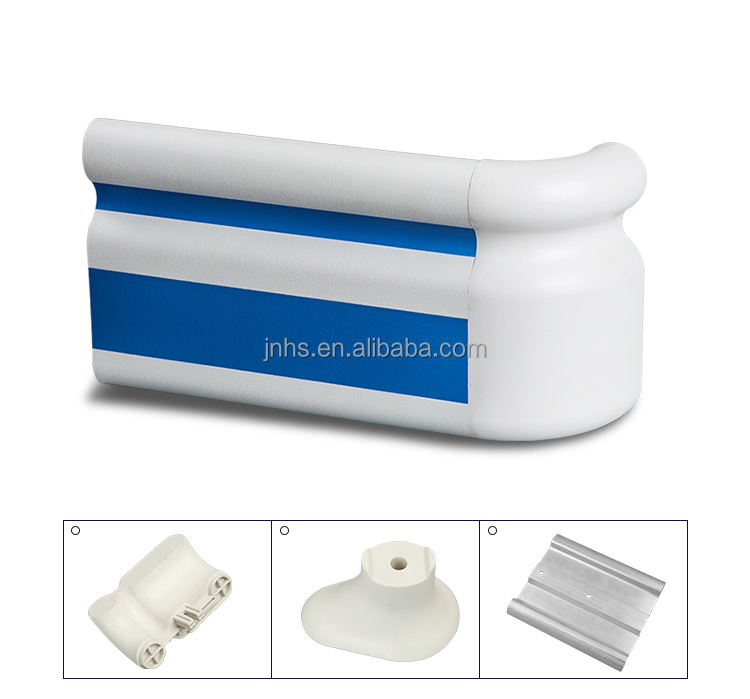
Corner guards
-
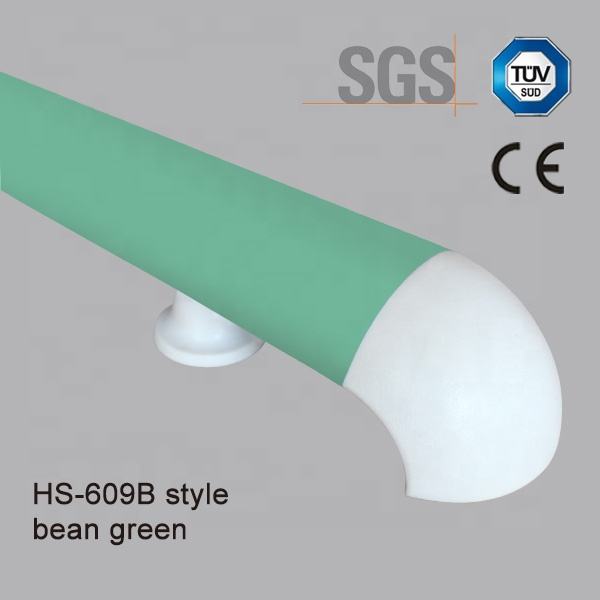
Handrails
-
Crash rails
-
Door protection
-
Skirting
-
End caps
-
Aluminum or PVC trims
-
Installation accessories
Working with a supplier that can provide a complete system can simplify procurement and ensure better compatibility between components.
6. Check Customization Capabilities
Healthcare projects often have strict requirements regarding dimensions, colors, and interior design.
Ask whether the supplier can provide:
-
Custom panel dimensions
-
Custom colors
-
Different surface finishes
-
Pre-cut panels
-
CNC processing
-
Custom corner solutions
-
OEM production
For large projects, pre-fabricated or pre-cut panels may also help contractors improve installation efficiency.
7. Examine Manufacturing Quality Control
A good sample is not enough. Buyers should also understand how the manufacturer maintains quality during mass production.
Important quality-control points include:
-
Raw material inspection
-
Thickness control
-
Surface inspection
-
Color consistency
-
Dimensional accuracy
-
Impact testing
-
Finished-product inspection
-
Packaging inspection
For large international projects, stable batch-to-batch quality is especially important.
8. Ask About Installation Support
The performance of a wall protection system depends not only on the panel but also on correct installation.
A reliable supplier should be able to provide:
-
Installation instructions
-
Technical drawings
-
Recommended fixing methods
-
Adhesive recommendations
-
Joint treatment guidance
-
Corner installation details
-
Maintenance instructions
If the project is large or technically complex, technical support during installation can significantly reduce mistakes.
Final Thoughts
Choosing the right medical protective wall panel supplier in China requires buyers to look beyond the initial quotation.
Material quality, impact resistance, chemical resistance, hygiene considerations, customization, quality control, system compatibility, and installation support should all be evaluated before placing an order.
For hospitals, healthcare contractors, distributors, and architectural projects, the right supplier should be able to provide not just a wall panel, but a reliable wall protection solution.
Before requesting a quotation, provide the supplier with your project type, application areas, required dimensions, estimated quantity, target market, and technical requirements. This will make it easier to compare suppliers and identify the most suitable solution for your project.





 IPv6 network supported